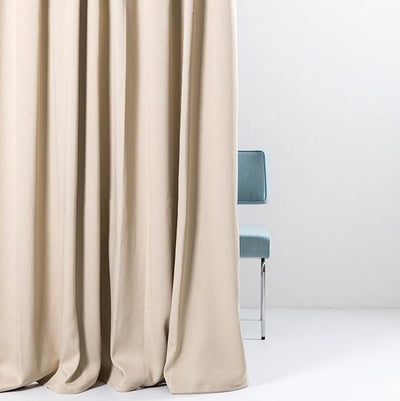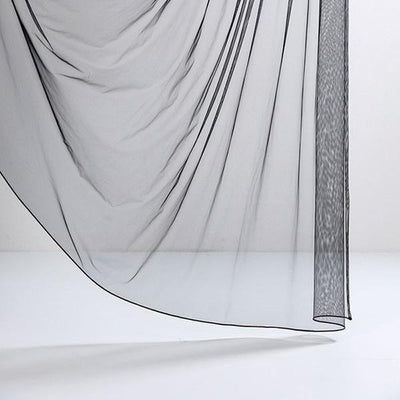





Choosing the best curtains for light control becomes simpler when light is treated as a changing condition rather than a single number. A window may need soft diffusion in the morning, glare reduction during work, privacy after sunset and darkness for sleep. One curtain can sometimes meet the main need, but layered treatments usually provide the widest range. Start by observing the room. Record its orientation, the hours of direct sun, nearby reflections, exterior lighting and the times when privacy matters. Stand where the bed, sofa, television or computer will be used and notice whether the light falls directly into the eyes or onto a screen. Take photographs at several times of day. This evidence is more useful than assuming every south-facing room is bright or every bedroom requires exactly the same darkness. Next define a priority. For a living room, preserving natural light may matter more than maximum darkening. A sheer or semi-sheer curtain can soften glare and reduce the visual hardness of large glazing while maintaining an open atmosphere. Privacy from a sheer changes with the balance of light: it may screen views during the day, but when the interior is brighter than outside at night, silhouettes and details can become visible. An outer curtain solves evening privacy. In bedrooms, begin with the sleeper. Shift workers, light-sensitive sleepers and rooms exposed to streetlights may need a strong blackout construction and careful control of edge gaps. Others may prefer dim-out curtains that substantially reduce brightness while allowing a gentle sense of morning. Blackout describes the fabric or layered construction, but an installation is only as dark as its weakest opening. Light can enter above the track, beneath a short hem, between centre panels and around the sides. A ceiling-mounted track, generous side extension, centre overlap and returns toward the wall can improve the result. Complete darkness may require a blind or other secondary treatment as well as curtains. Nurseries benefit from similar planning, with additional attention to safe hardware and cords. Do not rely on darkness alone as a sleep solution; curtains create the light environment but do not replace healthy routines or professional advice. Home offices need adjustable glare control. A dense curtain closed all day may remove useful daylight and make the room dependent on artificial lighting. Sheers or semi-sheers can diffuse direct sun, while a dim-out layer closes only during the brightest period. Position screens perpendicular to windows where possible and choose a fabric that reduces harsh contrast without creating a distracting pattern directly behind the display. Media rooms often require stronger control, especially opposite the screen, but flexible layers allow the space to remain pleasant when it is not being used for viewing. Kitchens and dining rooms usually prioritise daylight and practical care. Semi-sheer cotton or linen blends can soften brightness, provided the product’s cleaning guidance suits cooking areas. Avoid placing long loose fabric near heat sources or working surfaces. Bathrooms require privacy and resistance appropriate to humidity; the material and installation must be specified for that environment rather than chosen only for opacity. Fabric construction determines performance. Open weaves transmit and scatter more light, allowing texture to become visible against the window. Dense weaves reduce transmission and create stronger colour fields. A lining can increase opacity, protect the decorative face fabric from some direct exposure and improve the depth of folds. Coated or specially constructed blackout fabrics provide the strongest blocking, though exact performance can vary by colour and product. Pale colours reflect more light into the room and can appear luminous; deeper shades often feel more enclosed and may block more visible light in an otherwise similar construction. Always test the specific fabric and colour at the window or request technical information from the supplier. Fullness affects more than appearance. When a curtain uses more fabric across the track, folds overlap and create a less direct path for light. Too little fullness stretches the material into a flatter plane and can reveal more brightness, especially with open or semi-sheer weaves. The ideal ratio depends on heading, fabric width, weight and design repeat. Wave headings create consistent contemporary folds, while tailored pleats produce a more structured rhythm. Hardware must support the combined weight of face fabric, lining and any interlining and should allow smooth daily movement. Length and width complete the system. Measure from the installed track or rod, not simply from the top of the window frame. Decide whether the curtain will finish precisely at the floor, break slightly or use another deliberate length. A gap beneath the hem admits light; excessive pooling may interfere with regular opening and collect dust. Extend the treatment beyond the glass so closed curtains cover the whole opening and open curtains can stack clear enough to admit daylight. On wide windows, large-width fabrics can reduce vertical joins and create a calmer surface, but pattern matching and finished weight still require professional planning. Layering provides the most adaptable answer. Place the lightest curtain closest to the glazing and the denser decorative layer toward the room, usually on separate tracks. During the day, close the sheer where diffusion or screening is needed. In the evening, close the outer curtain for privacy and stronger light control. Each layer also contributes material depth: linen or fine cotton against a denser twill, velvet, jacquard or technical blackout creates contrast without requiring unrelated decoration. The tracks should be spaced so the fabrics move without catching and the folds can form properly. Care, durability and operating method influence whether the solution remains effective. A curtain that is difficult to move will not be adjusted as light changes. Choose accessible manual operation or a suitable motorised system for tall or wide installations. Follow cleaning guidance, because washing can alter dimensions, coatings or pleat memory. Vacuuming gently with an appropriate attachment and addressing marks according to the manufacturer can reduce the need for frequent full cleaning. Protect decorative fabrics with lining where recommended, and inspect tracks and gliders so weight remains evenly supported. Finally, treat the word “best” as specific to the project. The best bedroom curtain may be a lined blackout panel with minimal perimeter gaps. The best living-room solution may be a full-height sheer paired with a richly coloured dim-out curtain. The best office treatment may prioritise glare reduction while preserving daylight. Material quality, accurate measurement and considered installation matter as much as the category printed on the label. When curtain type, colour, fullness, track and room function are planned together, light control feels effortless: daylight becomes softer, screens easier to use, evenings more private and sleep environments calmer, while the textile remains an expressive part of the interior.