




















For most of human history, blankets were created out of necessity. They were essential objects designed to provide warmth, protection and durability in changing environments. Easy to carry and made to last, they accompanied people across landscapes and seasons, adapting to different climates and ways of living.
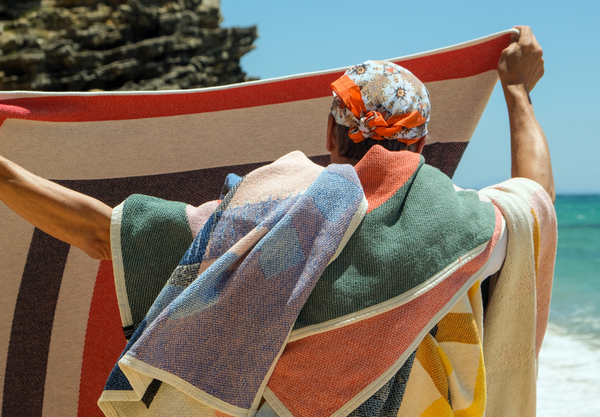
The materials used were closely tied to what was locally available. In colder regions, wool provided insulation and resilience, while in warmer climates, lighter fibres such as cotton offered breathability. Over time, these materials were refined through craftsmanship, with weaving techniques passed down through generations.
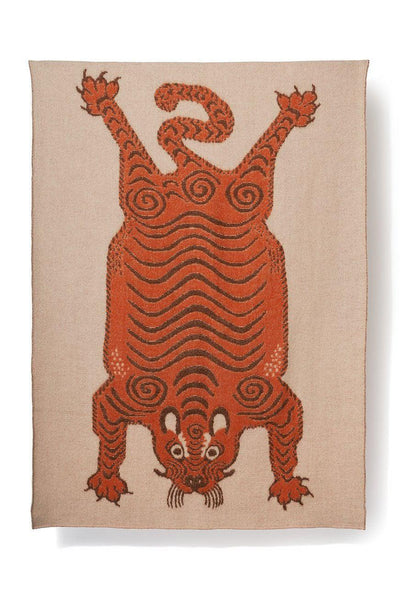
As these practices developed, blankets began to reflect more than function. Patterns and colours were introduced, often carrying cultural meaning or indicating origin. What started as a purely practical textile gradually became something that also communicated identity, tradition and skill.