



loading...

Free shipping for orders above $330.00

Curtains for Light Control

Best Curtains for Light Control

Best Curtains for Light Control

A practical guide to curtains for light control

Selected products and materials for curtains for light control

Products Used

Selected products and materials for curtains for light control

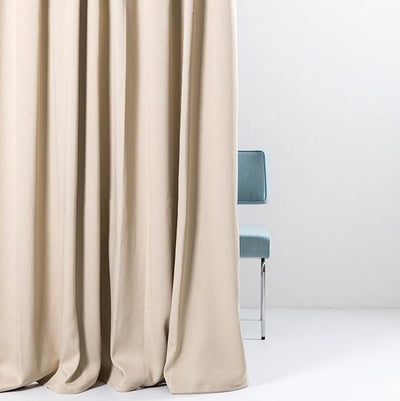
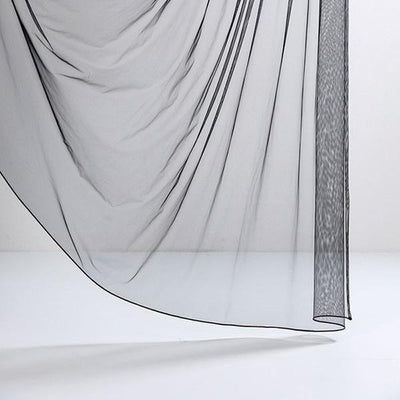
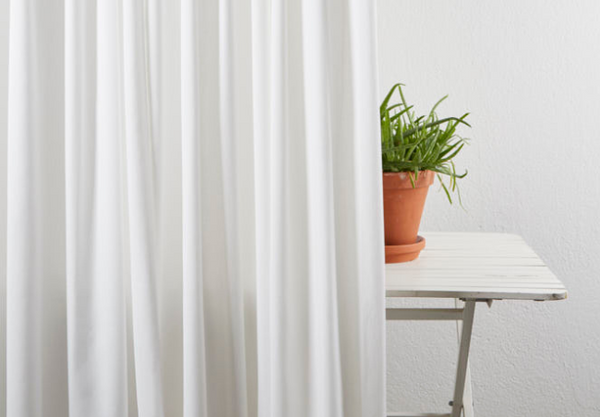
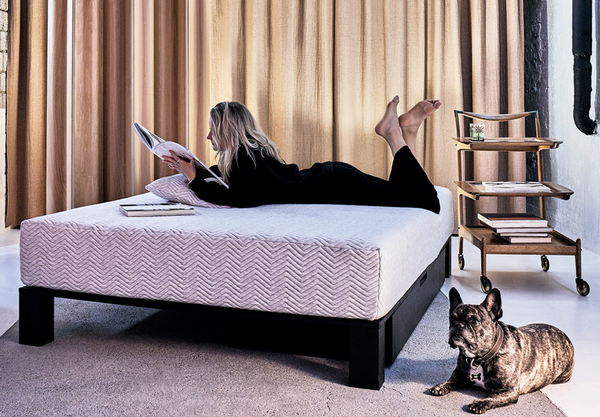
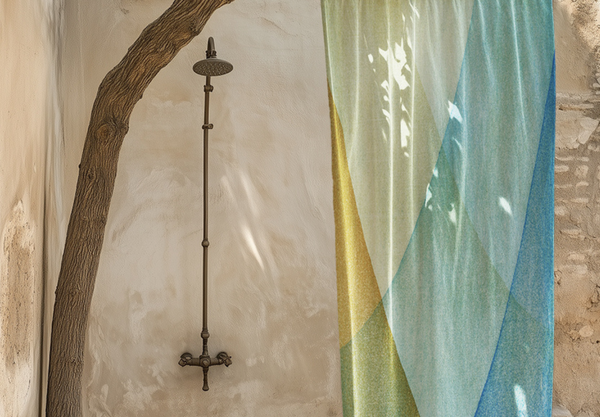
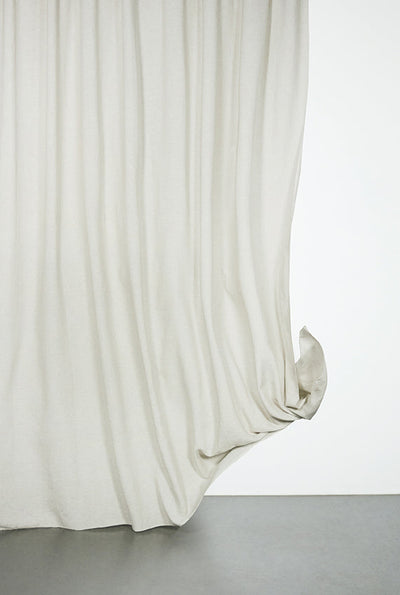
The best curtains for light control are not automatically the darkest. They are the curtains that solve the specific light conditions of a room while supporting privacy, function and atmosphere. Sheers diffuse strong daylight and soften contrast without closing the view completely. Semi-sheers add more screening while keeping the room luminous. Dim-out fabrics reduce brightness substantially and suit spaces that need flexible shade rather than total darkness.

Explore Collections

Best Curtains for Light Control

Matching Curtains to Light

Orientation changes what a window needs. East-facing rooms receive bright morning light, which can disturb sleep and create early glare; bedrooms often benefit from a blackout or lined dim-out layer. South- and west-facing glazing can experience stronger or longer periods of direct sun, so adjustable layers are especially useful: a sheer manages daytime brightness while a denser curtain closes when glare or heat becomes uncomfortable. Room use matters just as much.

Practical Choices and Styling

A double-track arrangement separates daytime and evening needs. The inner sheer or semi-sheer layer diffuses direct light, reduces harsh contrast and offers a degree of screening during the day. The outer dim-out or blackout curtain adds stronger shade and privacy when closed. Each layer can move independently, allowing the room to respond to weather, season and time without accepting one permanent light level. Installation details determine how well the system works.

Practical Choices and Styling

FROM THIS ARTIST / ZZ RECOMMENDATIONS

Designed to last: light-control curtains

Choosing the best curtains for light control becomes simpler when light is treated as a changing condition rather than a single number. A window may need soft diffusion in the morning, glare reduction during work, privacy after sunset and darkness for sleep. One curtain can sometimes meet the main need, but layered treatments usually provide the widest range. Start by observing the room. Record its orientation, the hours of direct sun, nearby reflections, exterior lighting and the times when privacy matters. Stand where the bed, sofa, television or computer will be used and notice whether the light falls directly into the eyes or onto a screen. Take photographs at several times of day. Next define a priority. An outer curtain solves evening privacy. In bedrooms, begin with the sleeper.

YOUR CART IS EMPTY