

loading...

Free shipping for orders above $330.00

Understanding Form, Pattern and Spatial Balance

How Patterns Shape Interior Spaces

How Patterns Shape Interior Spaces

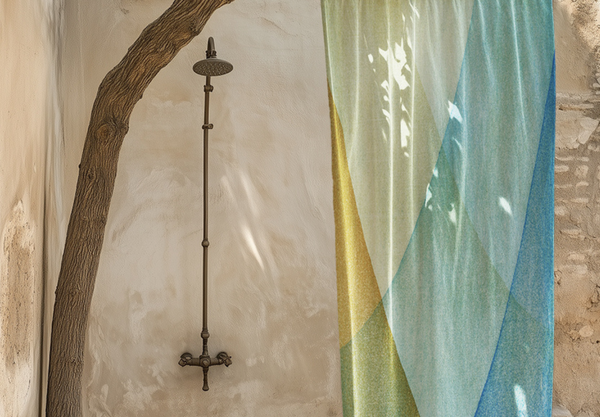
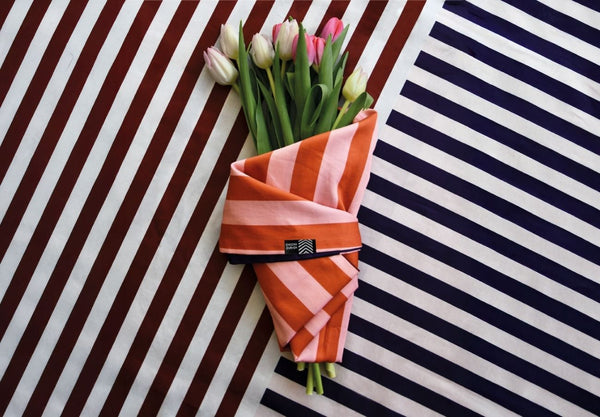
Patterns and shapes quietly define how a space feels, guiding movement, creating balance and introducing a visual language that shapes the atmosphere of everyday interiors

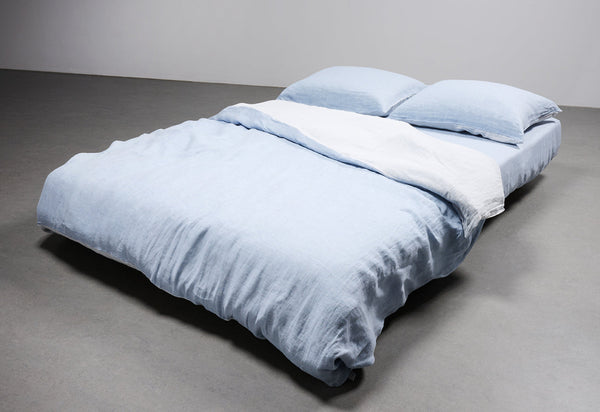
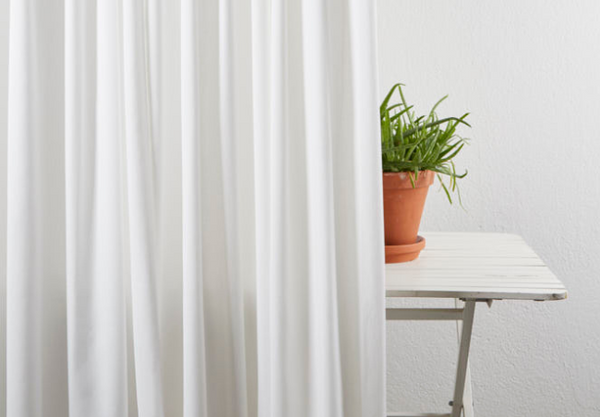
Textiles and objects that use pattern and shape to create structure, movement and visual balance in interiors

Products Used

Textiles and objects that use pattern and shape to create structure, movement and visual balance in interiors

Patterns and shapes play a fundamental role in how interiors are perceived and experienced. While often approached as decorative elements, they function more as a visual framework that influences proportion, rhythm and spatial clarity. Through repetition, contrast and variation, patterns can organise a space, guiding the eye and creating a sense of order without relying on physical structure.

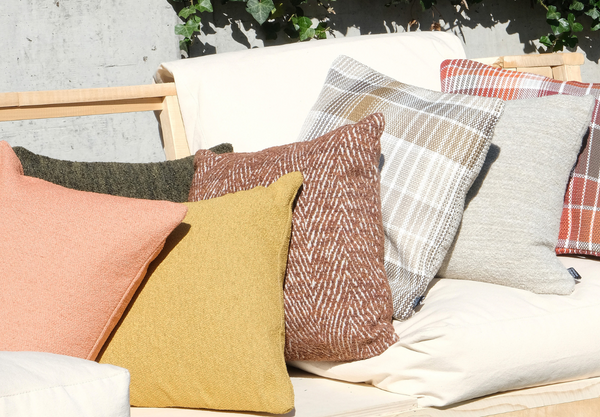
Textiles are one of the most effective ways to introduce this visual language. Rugs, cushions, curtains or blankets bring pattern into a space in a flexible and adaptable way. Geometric shapes, organic forms or linear compositions each create a different effect. While geometric patterns often introduce structure and precision, more fluid or irregular shapes can soften a space and create a more relaxed atmosphere.

Material also plays an important role. Natural fabrics such as cotton or wool add texture and depth, ensuring that patterns feel integrated rather than flat. When combined with thoughtful colour choices, patterns and shapes can enhance the overall composition of a space, creating balance while allowing individual elements to stand out. The result is an interior that feels considered, dynamic and visually connected.

How Patterns Shape Interior Spaces

How Patterns and Shapes Influence Space and Perception

Patterns and shapes do more than decorate a space, they actively shape how it is perceived. Repetition creates rhythm, allowing the eye to move naturally across a room, while variation introduces moments of interest and contrast. Larger scale patterns can make a strong visual statement, anchoring a space, while smaller or more subtle motifs contribute to texture and layering.

Shapes also influence spatial perception. Angular forms tend to create a sense of structure and clarity, while rounded or organic shapes soften the environment and introduce a more fluid feeling. When these elements are combined thoughtfully, they can balance each other, preventing a space from feeling either too rigid or too undefined.

In interior styling, this balance is key. A patterned rug can ground a seating area, while cushions or textiles with complementary shapes can build layers without overwhelming the space. The interaction between pattern and form allows interiors to feel dynamic while still maintaining a sense of cohesion. By considering scale, repetition and contrast, patterns and shapes become tools for shaping atmosphere rather than simply adding decoration.

Applying Patterns and Shapes in Everyday Interior Settings

In everyday interiors, patterns and shapes can be introduced gradually, allowing them to enhance a space without dominating it. Textiles offer a particularly effective starting point, as they can be changed or repositioned easily. A patterned cushion or throw can introduce a new visual element, while a rug or curtain can define a larger area and influence how the space is structured.

Layering is an important aspect of this process. Combining different patterns requires attention to scale and tone, ensuring that elements complement rather than compete with each other. For example, a bold geometric pattern can be balanced with more subtle or organic shapes, creating contrast while maintaining harmony. This approach allows for variation without creating visual noise.

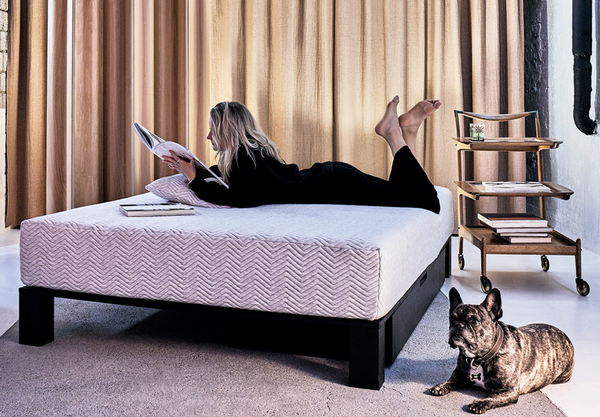
Function also plays a role. Patterns and shapes are not purely aesthetic, they interact with how a space is used. In living areas, they can create focal points and guide movement, while in more private spaces such as bedrooms, softer and more repetitive patterns can support a sense of calm. By adapting pattern and form to the purpose of each space, interiors become both visually engaging and comfortable to live in.

Applying Patterns and Shapes in Everyday Interior Settings

FROM THIS ARTIST / ZZ RECOMMENDATIONS

How Patterns Shape Interior Spaces How Patterns Shape Interior Spaces

Creating Cohesive Spaces Through Pattern, Shape and Material

Creating a cohesive interior involves more than selecting individual objects, it requires an understanding of how elements interact within a space. Patterns and shapes play a central role in this process, acting as connecting points that link different materials, colours and functions together. When used thoughtfully, they can unify a space while still allowing for variation and individuality.

One of the key considerations is consistency without uniformity. Repeating certain shapes or patterns across different elements can create a sense of continuity, while variations in scale or colour prevent the space from feeling repetitive. This approach allows interiors to feel layered and dynamic, reflecting both structure and flexibility.

Patterns and shapes also adapt across different contexts. In more minimal spaces, they can introduce depth and interest, while in more expressive interiors, they can enhance existing layers and textures. Their versatility makes them suitable for a wide range of environments, from calm, neutral settings to more vibrant and eclectic spaces.

Ultimately, patterns and shapes contribute to how a space is experienced over time. They guide movement, influence perception and shape the overall atmosphere, creating interiors that feel intentional, balanced and connected to everyday living.

YOUR CART IS EMPTY