
loading...

Free shipping for orders above $330.00

How to Select Curtain Fabrics That Balance Style and Function

How to Choose the Best Curtain Fabric for Your Home

How to Choose the Best Curtain Fabric for Your Home

How to Choose the Best Curtain Fabric for Your Home and Interior Needs

Carefully Selected Curtain Fabrics Designed for Comfort, Light Control, and Timeless Design

Products Used

Carefully Selected Curtain Fabrics Designed for Comfort, Light Control, and Timeless Design

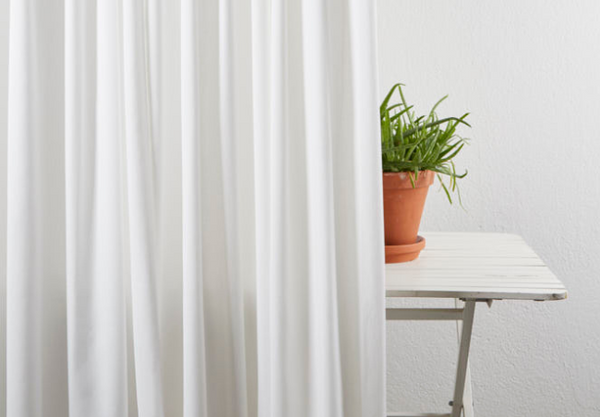
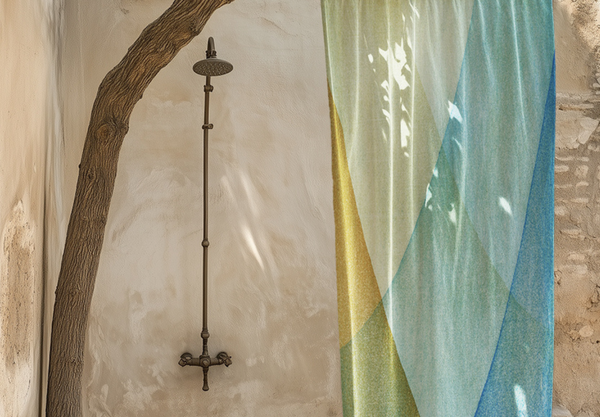
The foundation of every well-designed curtain lies in the fabric itself. More than just a visual element, the material determines how curtains behave in a space, how they filter light, and how they contribute to overall comfort. Sheer fabrics, often lightweight and semi-transparent, are ideal for creating an open and luminous atmosphere. They gently diffuse daylight, softening harsh sunlight while maintaining a sense of connection to the outdoors. This makes them particularly suitable for living rooms and spaces where brightness and fluidity are desired.

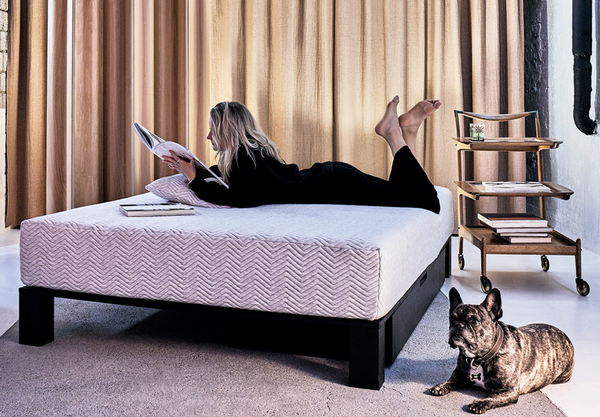
Linen and cotton blends introduce a richer texture and a more structured appearance. These materials are breathable and natural, offering a refined yet relaxed aesthetic that works seamlessly in both modern and classic interiors. Their subtle irregularities and tactile quality bring depth to otherwise minimal spaces. For areas that require more control, dim-out and blackout fabrics provide practical solutions. These textiles are engineered to reduce or completely block incoming light, making them essential for bedrooms, media rooms, or environments where privacy is a priority.

Beyond light control, fabric weight and density also influence insulation and acoustics. Heavier curtains can help regulate indoor temperatures and absorb sound, contributing to a quieter and more comfortable environment. High-quality woven fabrics maintain their structure and color over time, ensuring that curtains continue to perform and look elegant even with daily use. Choosing the right material is therefore not only a design decision but also a long-term investment in the quality of your interior space.

How to Choose the Best Curtain Fabric for Your Home

Understanding Curtain Fabrics Through Light, Texture, and Performance

To select the ideal curtain fabric, it is important to consider how different materials interact with light and space. Sheer fabrics allow natural light to pass through while softening its intensity, creating a calm and inviting atmosphere. They are particularly effective in rooms where maintaining brightness is essential, as they provide a level of privacy without closing off the space. Medium-weight fabrics, such as linen or cotton blends, offer a balance between transparency and coverage. These materials introduce texture and structure, helping to define the room while still allowing some light to filter through.

Heavier fabrics, including blackout and dim-out textiles, are designed for functionality and comfort. They significantly reduce light penetration, making them ideal for bedrooms or any space where darkness enhances usability. In addition to light control, these fabrics contribute to thermal insulation and sound absorption, improving the overall comfort of a room. The drape of the fabric also plays a crucial role, as it affects how curtains fall and move. A well-constructed textile will create smooth, elegant folds that enhance the visual appeal of the space. By understanding these characteristics, you can choose a fabric that aligns with both your aesthetic preferences and practical needs.

Choosing the Right Curtain Fabric for Each Room in Your Home

Each room in your home has its own purpose, and the curtain fabric should support both its function and atmosphere. In living rooms, where light and openness are key, sheer or lightweight fabrics help create a welcoming and airy environment. They allow natural light to flow freely while adding softness and movement to the space. Bedrooms, on the other hand, benefit from heavier fabrics such as blackout or dim-out curtains, which provide privacy and improve sleep quality by limiting light exposure. Combining sheer and blackout layers is a practical approach that offers flexibility throughout the day.

In kitchens and dining areas, durability and ease of maintenance become essential factors. Fabrics should be resistant to humidity and easy to clean, making cotton blends or treated textiles a suitable choice. For home offices, selecting a fabric that reduces glare without eliminating natural light can improve focus and productivity. Texture and color should also be considered carefully, as they influence the overall mood of the room. Neutral tones create a calm and timeless look, while bold colors or patterns can serve as focal points. By aligning your fabric choice with the specific needs of each space, curtains become an integral element of your interior design rather than a simple accessory.

Choosing the Right Curtain Fabric for Each Room in Your Home
ZigZagZurich

ZigZagZurich

A Designer’s View: How Fabric Shapes Space, Light, and Emotion

Explore artist

FROM THIS ARTIST / ZZ RECOMMENDATIONS

How to Choose the Best Curtain Fabric for Your Home How to Choose the Best Curtain Fabric for Your Home

Elevate Your Interior by Choosing the Right Curtain Fabric with Purpose

Selecting the right curtain fabric is one of the most impactful decisions you can make when designing or updating your home. It goes beyond aesthetics, influencing how light enters your space, how comfortable a room feels, and how cohesive your interior design appears. The right fabric can transform a room, adding softness, depth, and character while also serving practical functions such as privacy, insulation, and sound control.

A thoughtful approach to fabric selection considers not only the immediate visual effect but also long-term performance. High-quality materials retain their structure, color, and elegance over time, making them a worthwhile investment. Layering different types of fabrics can provide flexibility, allowing you to adapt your space to different times of day and changing needs. For example, combining sheer curtains with blackout panels offers both openness and complete privacy when required.

Ultimately, curtains are a key element that bridges design and functionality. They frame your windows, influence the ambiance of your interiors, and reflect your personal style. By understanding the unique characteristics of each fabric and aligning them with the needs of your home, you can create spaces that are not only visually appealing but also comfortable, practical, and enduring.

YOUR CART IS EMPTY