loading...

Free shipping for orders above ¥50,000

Craftsmanship and Material in Textile Design

Craftsmanship and the Art of Weaving

Craftsmanship and the Art of Weaving

The quality of a textile is shaped long before it reaches the home, through processes that define its structure, movement and longevity.

Textiles shaped by craftsmanship, material choice and precise weaving techniques

Products Used

Textiles shaped by craftsmanship, material choice and precise weaving techniques

The quality of a curtain is not defined only by its appearance, but by how the fabric is constructed. The weaving process plays a fundamental role in determining how a textile behaves, influencing its weight, drape and durability over time.

From the selection of yarn to the dyeing process, each stage contributes to the final character of the fabric. Natural fibres, carefully chosen for their strength and texture, create a foundation that supports both structure and softness. Dyeing techniques further enhance the material, allowing colour to integrate deeply into the fibres rather than sitting on the surface.

Weaving brings these elements together. Through precise techniques, threads are interlaced to create fabrics that feel balanced, consistent and refined. This level of craftsmanship ensures that textiles do not only look considered, but also perform well in everyday use, maintaining their quality over time.

Craftsmanship and the Art of Weaving

How Weaving Techniques Shape the Look and Feel of Textiles

Weaving is one of the most defining stages in textile production, transforming raw materials into structured fabrics. The way threads are interwoven determines not only the visual appearance of a textile, but also how it moves, folds and interacts with light.

Different weaving techniques create distinct effects. Tighter weaves result in more structured fabrics that hold their shape, while looser constructions allow for softer drape and fluid movement. This balance between structure and flexibility is essential, particularly for curtains, where the fabric must respond naturally to both light and motion.

The tactile quality of a textile is also shaped through weaving. Subtle variations in texture, density and pattern add depth without overwhelming the overall design. These qualities allow textiles to feel both refined and comfortable, contributing to a space that feels considered and cohesive.

From Yarn to Fabric, the Process Behind Lasting Textiles

The journey from raw fibre to finished textile involves multiple stages, each contributing to the final performance of the material. Yarn selection is the starting point, where factors such as fibre type, thickness and strength are carefully considered. These choices influence how the fabric will behave once woven.

Dyeing follows, allowing colour to become an integral part of the textile rather than a surface treatment. When done with precision, it enhances the depth and richness of the material while maintaining its natural qualities.

Weaving then brings structure to the fabric. Through controlled tension and technique, threads are combined to create textiles that feel balanced and durable. Finishing processes refine the surface, ensuring that the fabric maintains its integrity while achieving the desired softness or structure.

Together, these stages create textiles that are not only visually appealing, but also reliable in everyday use. The result is a fabric that feels intentional, well made and built to last.

From Yarn to Fabric, the Process Behind Lasting Textiles
ZigZagZurich

ZigZagZurich

Crafting Textiles Through Process and Precision

Explore artist

FROM THIS ARTIST / ZZ RECOMMENDATIONS

Craftsmanship and the Art of Weaving Craftsmanship and the Art of Weaving

Textiles That Move Naturally and Age Beautifully Over Time

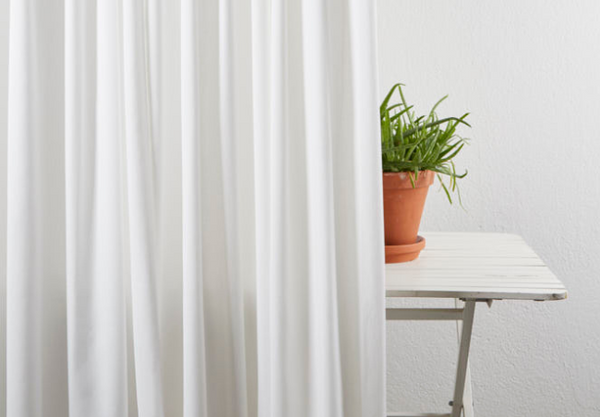
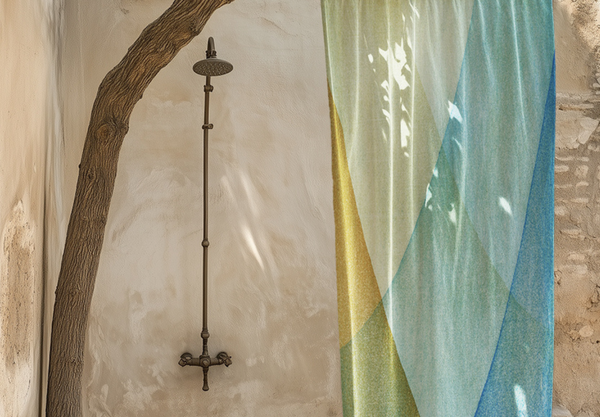
Well-made textiles reveal their quality over time through the way they move, adapt and evolve within a space. Curtains in particular require a careful balance between structure and fluidity. They should fall naturally, respond to light and air, and maintain their form without feeling rigid.

As materials age, their character becomes more visible. High quality fabrics soften slightly with use while retaining their strength, creating a sense of familiarity and comfort. This process is not a sign of wear, but a reflection of the material’s integrity and the care taken in its production.

In everyday environments, these qualities become increasingly important. Curtains frame windows, filter light and contribute to the overall atmosphere of a room. When made well, they enhance the space quietly, supporting both function and aesthetic without demanding attention.

This approach to textile design values longevity over short term trends. By focusing on craftsmanship, materials and process, textiles become lasting elements within the home, shaping spaces in a way that feels natural, balanced and enduring.

YOUR CART IS EMPTY