
loading...

Free shipping for orders above ¥50,000

Fabric in Interior Design

The Power of Fabric in Interior Design

The Power of Fabric in Interior Design

A practical guide to fabric in interior design

Selected products and materials for fabric in interior design

Selected products and materials for fabric in interior design

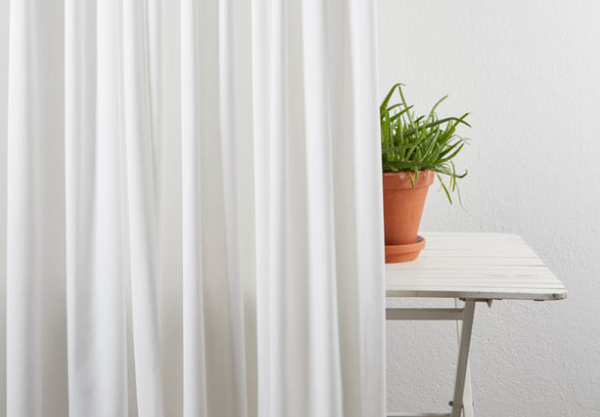
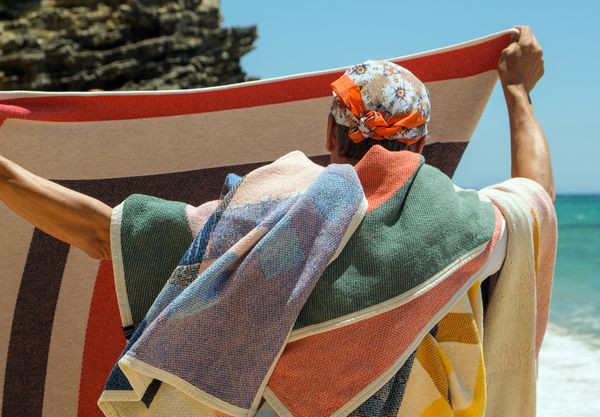
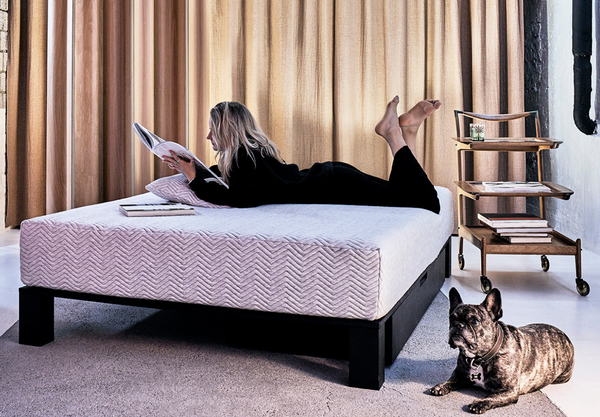
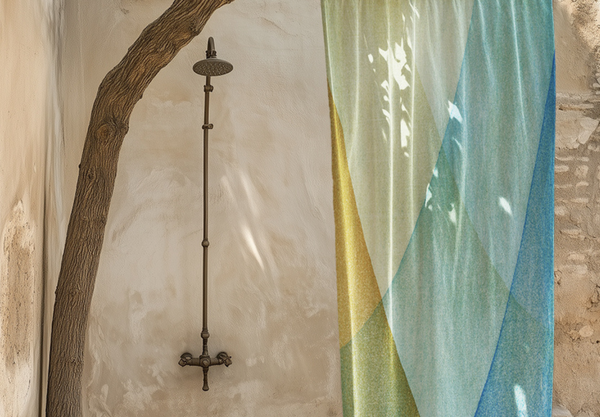
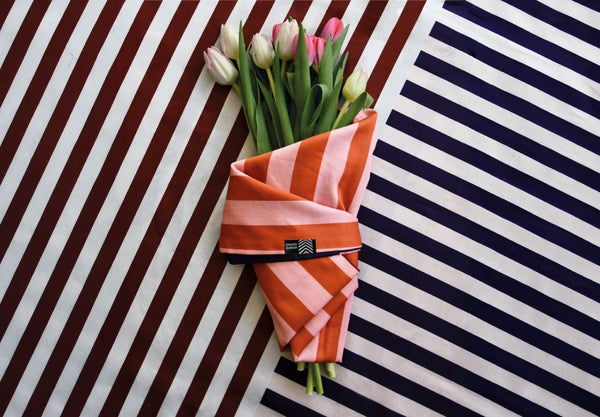
Fabric changes a room through qualities that hard surfaces cannot provide alone. A curtain turns daylight into a softer, more atmospheric glow. A rug defines an area while introducing warmth underfoot. Upholstery gives furniture colour, tactility and a human scale, while blankets and cushions add layers that can move with the season. Fibre, yarn, weave, weight and finish all influence the result.

The Power of Fabric in Interior Design

How Fabric Shapes Interiors

Because textiles occupy large and often flexible surfaces, they can shift the balance of an interior without changing its architecture. Full-height curtains strengthen vertical lines and frame a view; a generous rug gathers furniture into a coherent composition; upholstered seating places colour at the centre of daily life. Scale is essential. A small rug can make a seating area feel fragmented, while one that reaches beneath the main furniture gives the arrangement confidence.

Practical Choices and Styling

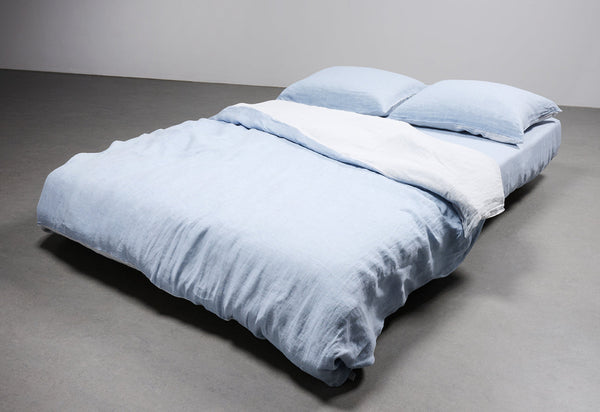
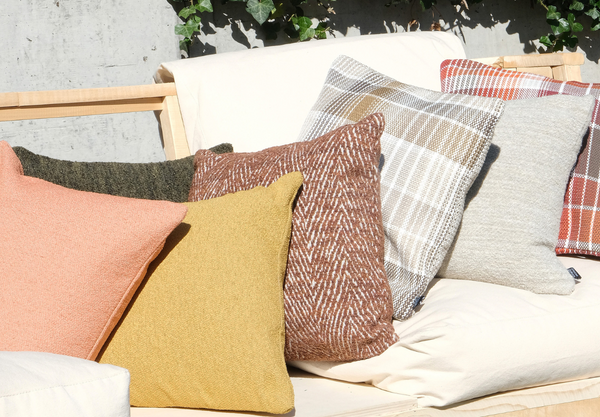
Successful layering depends on contrast with a clear relationship. Start with the largest textile surfaces: curtains, rugs and upholstery establish the room’s material foundation. Then add blankets and cushions that repeat a colour, echo a weave or introduce one new tactile note. In a neutral bedroom, crisp cotton bedding, a woven bedspread and a soft wool blanket can create depth without adding many colours. In a living room, a low-pile rug can balance textured upholstery, while velvet or jacquard cushions provide concentrated richness.

Practical Choices and Styling

FROM THIS ARTIST / ZZ RECOMMENDATIONS

The Power of Fabric in Interior Design The Power of Fabric in Interior Design

Designed to last: fabric

The power of fabric in interior design comes from its ability to work at several levels at once. Textiles contribute colour and pattern, but they also change the way light moves, how surfaces meet the body and how a room feels in everyday use. A hard architectural shell can be beautiful yet distant. Add full-height curtains, a correctly scaled rug and tactile upholstery, and the same space gains rhythm, warmth and a more human sense of proportion. Begin with function. Curtains may need to filter glare, create privacy or frame a view. Rugs can define a zone, provide comfort underfoot and help furniture read as one composition. Upholstery must suit the amount of handling it receives. Blankets and cushions offer adaptable layers that can move between rooms and seasons.

YOUR CART IS EMPTY