

















When choosing a new blanket or a set of curtains, most people focus on colour, pattern and how the fabric feels. But have you considered what the textile is made of?
Every finished fabric goes through a production process that involves dyes, finishes, and treatments that do not disappear once the product enters your home. Since these process uses different chemicals, the fabric that we use deserves closer attention.
That’s why Standard 100 by OEKO-TEX® certification matters: it’s your guarantee that your textiles are tested for harmful substances and safe for daily use.
What Is Standard 100 By Oeko-Tex®?

Standard 100 by OEKO-TEX® is a globally recognised, independent testing and certification system for textile products. It applies to every stage of production, covering materials and components before they become part of a finished fabric.
When a textile carries the Standard 100 label, each individual element has been tested for harmful substances. This includes threads, buttons, zippers and trims. The product meets defined safety limits and is considered safe for direct contact with people in everyday use.
Testing requirements are based on how a product is used and how closely it comes into contact with the skin. OEKO-TEX® groups textiles into four product classes:
-
Product Class 1: Articles for babies and toddlers up to 3 years of age, such as underwear and bedding. This class has the strictest testing criteria.
-
Product Class 2: Articles worn close to the skin, including underwear, bedding and T-shirts.
-
Product Class 3: Articles with limited skin contact, such as jackets and belts.
-
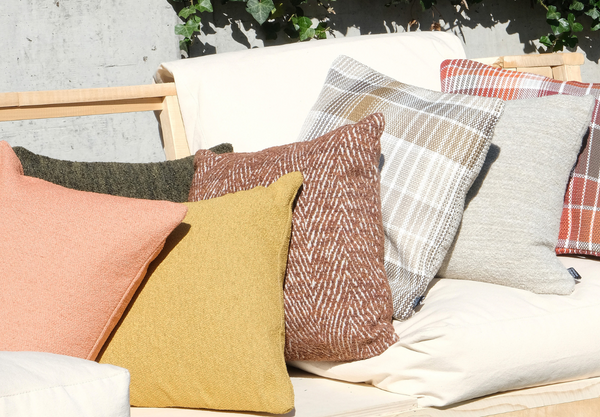
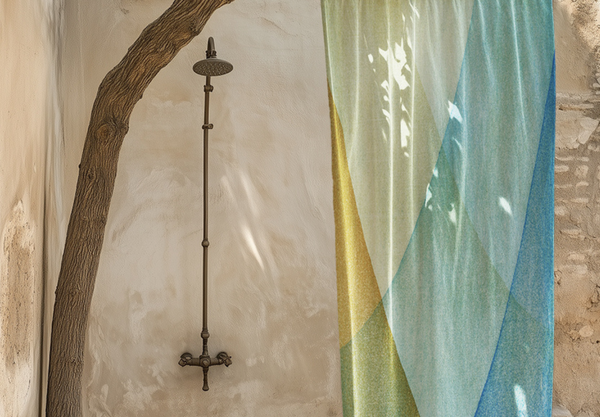
Product Class 4: Decorative and furnishing textiles, including curtains, tablecloths and upholstery.
This structure ensures that textiles used closest to the body meet the highest safety requirements, while decorative items are assessed according to their intended use.
The Science Behind The Certification
The OEKO-TEX® Standard 100 label is backed by ongoing scientific research. The criteria catalogue is reviewed and updated at least once a year to reflect new research and legal requirements. Tests cover a wide range of regulated and non-regulated substances that can affect human health.
Substances screened under the Standard 100 framework include:
-
Banned Azo Dyes: Synthetic dyes that can release carcinogenic compounds.
-
Formaldehyde: Commonly used as an anti-crease finish and known to cause irritation with long-term health concerns.
-
Pesticides: In the case of natural fibers like cotton, testing ensures no harmful residues remain.
-
Heavy Metals: Lead, cadmium and mercury may appear in dyes and pigments and are toxic even at low levels.
-
Other Harmful Chemicals: Substances such as benzothiazole and quinoline, often detected in non-certified textiles and are linked to potential health risks.
By testing for this broad range of substances, the standard addresses real concerns linked to chemical exposure in everyday textiles and supports safer choices for the home.
Standard 100 vs. GOTS: Understanding the Difference
When exploring certified textiles, another name often appears alongside OEKO-TEX®. The Global Organic Textile Standard, known as GOTS (Global Organic Textile Standard), is one of the most recognised alternatives. Both certifications are respected, but they address different aspects of textile quality.
Standard 100 by OEKO-TEX® focuses on product safety. It tests the finished textile to ensure it does not contain harmful levels of specific substances, regardless of the type of fibre used.
GOTS certifies the organic origin of textiles and sets rules for environmental and social practices throughout the supply chain. It covers farming, processing and manufacturing, with strict criteria for organic fibres and responsible production. Our ZigZagZurich organic cotton sheets are a proud example of this commitment to certified organic production.
A textile can carry the OEKO-TEX® label without being organic, and an organic textile can meet GOTS requirements without Standard 100 certification. Rather than competing, the two standards work alongside each other, offering different assurances about safety, sourcing and production.
Why This Matters For Your Family’s Health
The skin is the body’s largest organ, and textiles remain in close contact with it throughout the day and night. Fabrics certified to be free from harmful chemicals offer a practical way to limit daily exposure to substances that do not belong in the home.
This matters most in the bedroom, where people spend around a third of their lives surrounded by bedding and soft furnishings.
It is even more relevant for babies and young children. Their skin is thinner and absorbs substances more easily than adult skin, which makes them more sensitive to their surroundings. Using certified bedding, blankets and nursery textiles helps create a calmer and safer space as they grow.
Choosing certified textiles also supports a healthier indoor environment overall. Fewer chemical residues mean cleaner air, gentler surfaces and a home that feels better to live in every day.
How to Identify OEKO-TEX® Certified Textiles
Identifying textiles that meet this standard is simple. Look for the “Standard 100 by OEKO-TEX®” label, which includes a unique certification number. This number can be checked on the OEKO-TEX® website to confirm that the certificate is valid.
This transparency reflects our approach to quality. We value considered design and responsible production, and these principles guide how our collections are made.
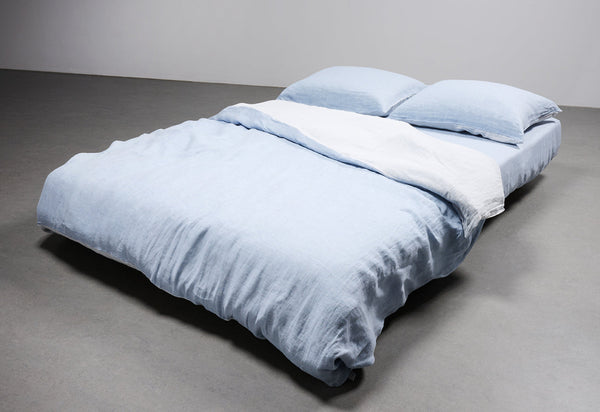
Our textiles, including our luxury kids bedding and cotton bedding, are produced in Italy and certified under Standard 100 by OEKO-TEX®, including our children’s bedding and our artist-designed cotton bedding. Each piece is created with care, combining thoughtful materials with lasting comfort.
Choosing textiles for your home is also a way to express what matters to you. Understanding certifications such as Standard 100 helps you select pieces with confidence, knowing they support both everyday comfort and long-term well-being.
Discover our collections and choose textiles that combine artistic design with a clear commitment to health and quality.

