
loading...

Free shipping for orders above €149,00

From Everyday Necessity to Textile Expression

The History of the Blanket From Utility to Design Object

The History of the Blanket From Utility to Design Object

What began as a simple object for warmth and protection has gradually evolved into a textile that carries history, culture and creative expression into contemporary living spaces.

A considered selection of blankets that combine traditional function with contemporary design, bringing warmth, texture and visual identity into the home

Products Used

A considered selection of blankets that combine traditional function with contemporary design, bringing warmth, texture and visual identity into the home

For most of human history, blankets were created out of necessity. They were essential objects designed to provide warmth, protection and durability in changing environments. Easy to carry and made to last, they accompanied people across landscapes and seasons, adapting to different climates and ways of living.

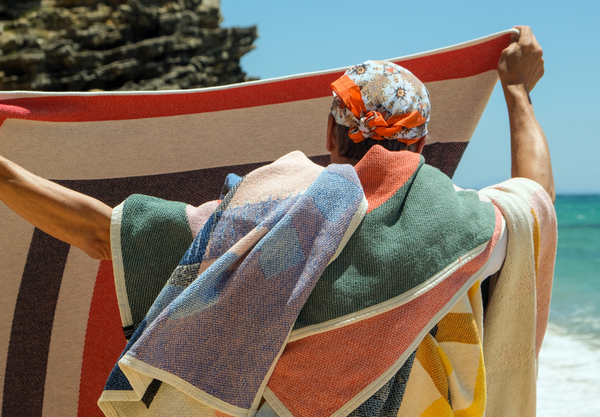
The materials used were closely tied to what was locally available. In colder regions, wool provided insulation and resilience, while in warmer climates, lighter fibres such as cotton offered breathability. Over time, these materials were refined through craftsmanship, with weaving techniques passed down through generations.

As these practices developed, blankets began to reflect more than function. Patterns and colours were introduced, often carrying cultural meaning or indicating origin. What started as a purely practical textile gradually became something that also communicated identity, tradition and skill.
Explore Collections

The History of the Blanket From Utility to Design Object

From Functional Textile to Cultural and Visual Expression

The transformation of the blanket from a utilitarian object into a cultural artefact happened gradually. As techniques improved and craftsmanship became more specialised, textiles began to carry visual narratives. Patterns were no longer only structural but expressive, reflecting stories, beliefs or regional characteristics.

In many cultures, blankets became symbols of identity and continuity. The way they were made, the motifs they carried and the materials used all contributed to their meaning. This shift marked an important moment where function and expression began to exist together within a single object.

Today, this dual role continues to define the blanket. It remains practical and familiar, yet it also holds the capacity to shape the visual atmosphere of a space. Its surface offers scale and flexibility, allowing it to move between being used, displayed and experienced in different ways.

The Blanket as a Living Object in Modern Interiors

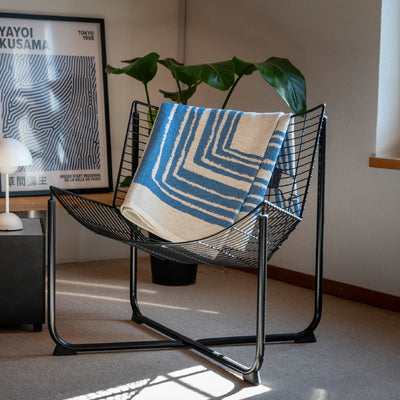
In contemporary interiors, blankets have taken on a new role that extends beyond their original purpose. While they still provide warmth and comfort, they are also used to introduce texture, colour and structure into a space. Placed over a sofa, folded at the end of a bed or draped across a chair, they influence how a room feels without requiring permanent change.

This flexibility is part of what makes blankets so relevant today. They can be easily moved, adjusted or layered, allowing spaces to evolve naturally over time. A heavier wool blanket may bring warmth during colder months, while lighter materials offer comfort in warmer seasons. This adaptability connects the object to everyday life in a practical way.

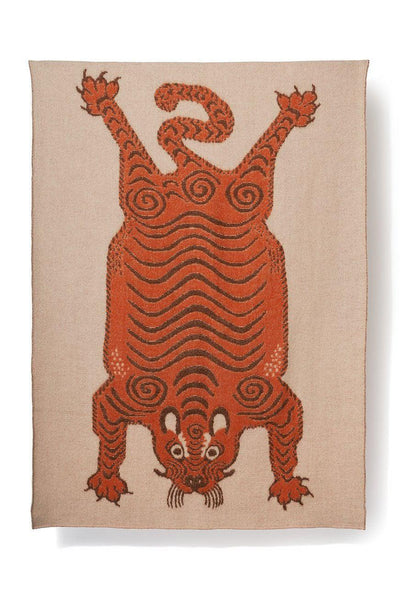
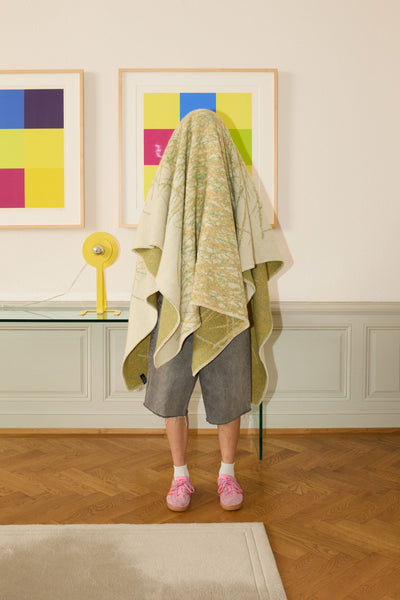
At the same time, blankets are increasingly treated as visual elements. Their scale allows for bold compositions and graphic patterns, turning them into focal points within a room. Without being fixed in place, they function almost like movable artworks, shaping the space while remaining part of daily use.

The Blanket as a Living Object in Modern Interiors
ZigZagZurich

ZigZagZurich

Reinterpreting the Blanket Through Contemporary Design

Explore artist

FROM THIS ARTIST / ZZ RECOMMENDATIONS

The History of the Blanket From Utility to Design Object The History of the Blanket From Utility to Design Object

How Blankets Continue to Shape Spaces Through Use and Design

The role of the blanket continues to evolve as the way we design and experience interiors changes. Rather than being hidden or used only when needed, blankets are now integrated into the overall composition of a space. They add softness to structured environments and create a sense of comfort that extends beyond their practical function.

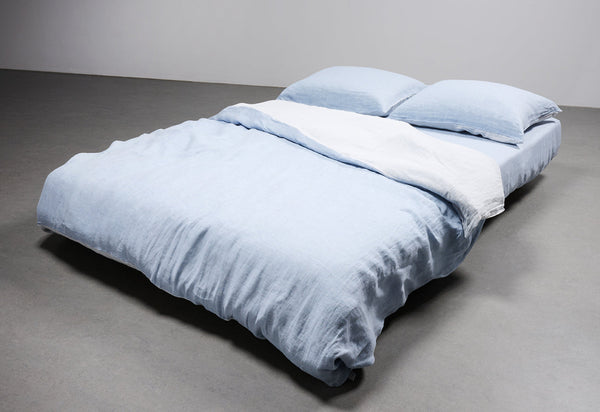
This approach can be seen across different areas of the home. In living spaces, blankets invite relaxation and make seating areas feel more approachable. In bedrooms, they add layers that enhance both comfort and visual depth. Even in transitional spaces, a carefully placed textile can introduce warmth and continuity.

What makes blankets particularly unique is their ability to adapt. They respond to changing seasons, shifting light and the rhythm of daily life. Over time, they become part of the environment, shaped by use and interaction.

A blanket can warm a room physically, but it also has the ability to define its character. Through material, texture and design, it contributes quietly but meaningfully to how a space is experienced, connecting past traditions with contemporary ways of living.

YOUR CART IS EMPTY