

loading...

Free shipping for orders above SFr. 149.00

Minimalist Bedroom Styling with Calm Materials and Thoughtful Design

Minimalist Bedroom Ideas: How to Create a Calm and Simple Space

Minimalist Bedroom Ideas: How to Create a Calm and Simple Space

Minimalist Bedroom Ideas: How to Create a Calm and Simple Space

Refined Bedding and Natural Materials Designed for a Calm Minimalist Bedroom

Products Used

Refined Bedding and Natural Materials Designed for a Calm Minimalist Bedroom

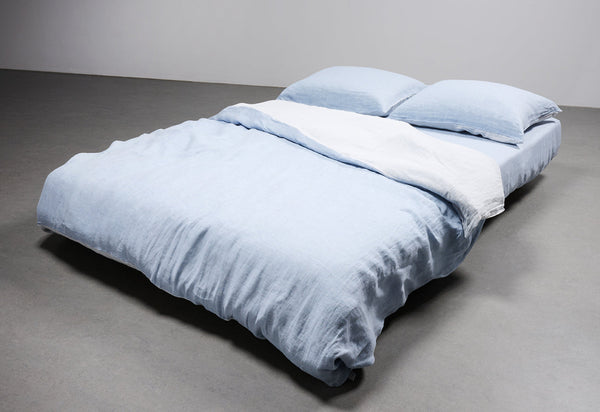
At the heart of every minimalist bedroom lies a careful selection of materials that define both comfort and atmosphere. Instead of relying on decorative excess, the space is shaped through textures, fabrics, and finishes that feel intentional and balanced. High-quality bedding plays a central role, with options such as cotton sateen offering a smooth, refined surface, while linen introduces a more relaxed, breathable character. These materials not only enhance visual simplicity but also improve everyday comfort through their natural properties.

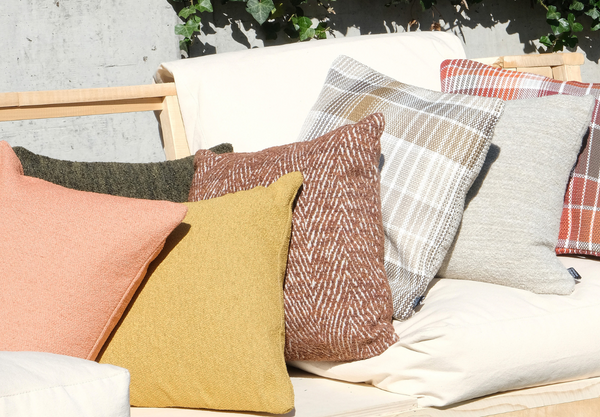
Layering remains subtle yet essential. A well-constructed duvet, soft pillowcases, and a lightweight throw can create depth without disrupting the calm aesthetic. The focus shifts from bold patterns to tonal harmony, where shades of white, sand, or soft grey interact quietly. Complementary materials such as wood, wool, or matte metals further support this approach, adding warmth and structure without visual noise. In a minimalist bedroom, each product contributes to a cohesive environment where quality replaces quantity and every element feels considered.

Minimalist Bedroom Ideas: How to Create a Calm and Simple Space

Building a Minimalist Bedroom Through Color, Space and Balance

Creating a minimalist bedroom begins with understanding how color, space, and proportion interact. Rather than filling a room with objects, the goal is to shape an environment where each element has room to exist without competition. Neutral color palettes form the foundation, allowing the eye to rest and the mind to slow down. Soft whites, warm beiges, and muted greys work together to create a continuous visual flow, reducing contrast and eliminating distraction.

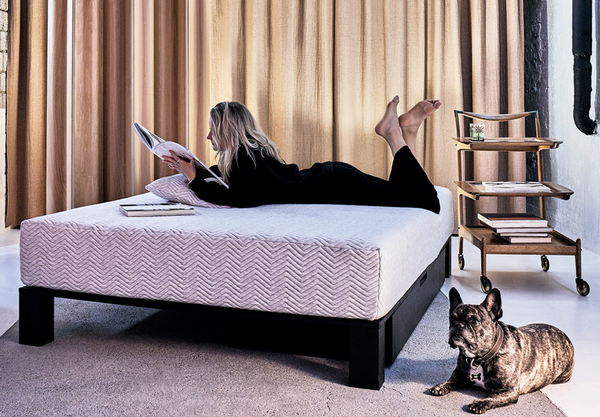
Equally important is the use of negative space. Empty areas are not a lack of design, but a deliberate choice that enhances clarity and openness. Furniture should be selected with restraint, focusing on clean lines and appropriate scale. A low-profile bed, a simple bedside table, and discreet storage solutions help maintain this balance. The result is a room that feels spacious regardless of its actual size.

Light also plays a defining role. Natural light softens surfaces and highlights textures, while warm artificial lighting creates a sense of intimacy in the evening. By combining these elements, the minimalist bedroom becomes more than just visually clean. It becomes a space designed to support rest, focus, and a slower, more intentional way of living.

Layering Texture and Material for a Soft Minimalist Atmosphere

While minimalism is often associated with simplicity, its depth comes from the careful layering of textures rather than the addition of objects. A minimalist bedroom should never feel flat or sterile. Instead, it should offer a subtle richness that reveals itself through touch and light. This is achieved by combining materials that complement each other without competing for attention.

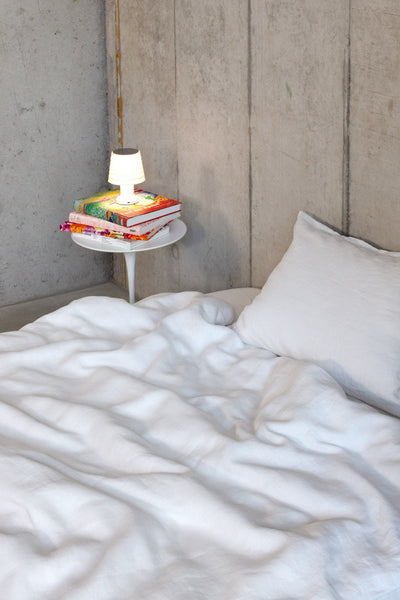
Bedding provides the perfect starting point. A cotton sateen duvet cover introduces a smooth, almost luminous finish, reflecting light gently across the surface. In contrast, linen pillowcases or a lightly textured throw add variation, creating a tactile balance that feels natural and inviting. The interplay between these materials brings warmth into the space while maintaining a clean visual identity.

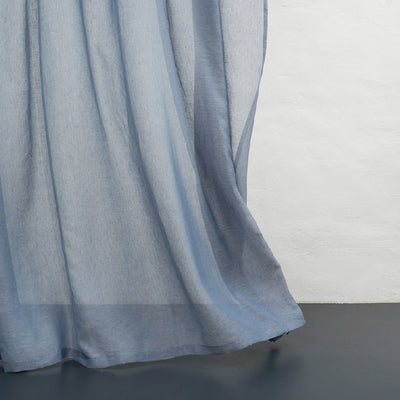
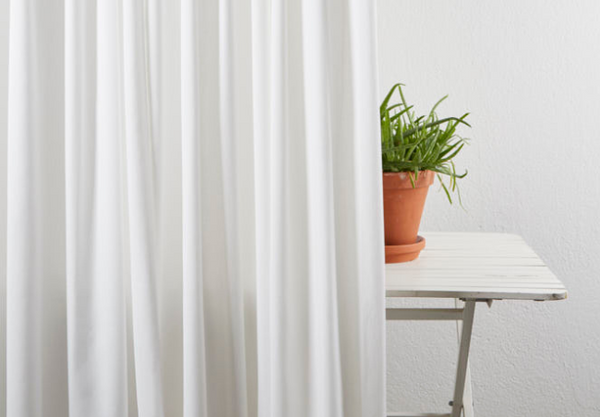
Beyond the bed, textiles such as rugs or curtains can reinforce this softness. Choosing fabrics with a natural composition and a muted palette ensures continuity throughout the room. Even small details, such as the weave of a fabric or the weight of a material, contribute to the overall experience. In this way, the minimalist bedroom evolves into a carefully composed environment where texture replaces decoration and every layer adds quiet complexity.

Layering Texture and Material for a Soft Minimalist Atmosphere

FROM THIS ARTIST / ZZ RECOMMENDATIONS

Designing a Minimalist Bedroom That Feels Calm, Functional and Timeless

A minimalist bedroom is ultimately defined by how it makes you feel rather than how it looks at first glance. While the visual aspect is important, the true value lies in creating a space that supports rest, clarity, and everyday comfort. By focusing on fewer, better elements, the room becomes easier to maintain and more enjoyable to live in over time.

The process begins with simplifying what already exists. Removing unnecessary items allows the core elements of the room to emerge, making it easier to understand what is truly needed. From there, each addition should be made with intention. High-quality bedding, thoughtfully chosen furniture, and natural materials form the foundation of a space that feels both refined and welcoming.

Consistency is key. A limited color palette, repeated textures, and a clear visual language help create a sense of cohesion. This does not mean the room must feel uniform or rigid. On the contrary, subtle variations within a controlled palette can add depth and personality without disrupting the overall calm.

Lighting, materiality, and proportion all contribute to the final result. When these elements are aligned, the bedroom becomes more than just a place to sleep. It becomes a retreat from visual noise and daily stress. Minimalism, in this context, is not about having less for the sake of it, but about creating more space for what truly matters.

YOUR CART IS EMPTY