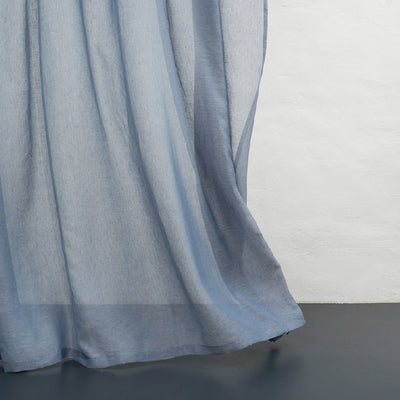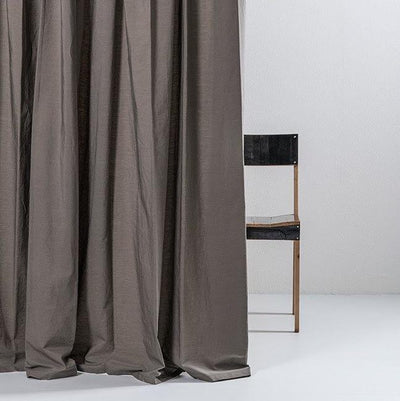


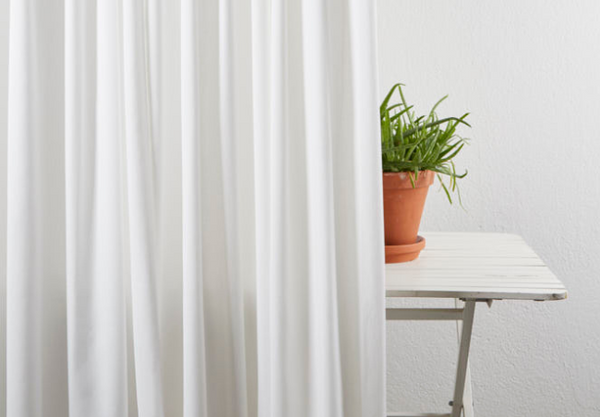


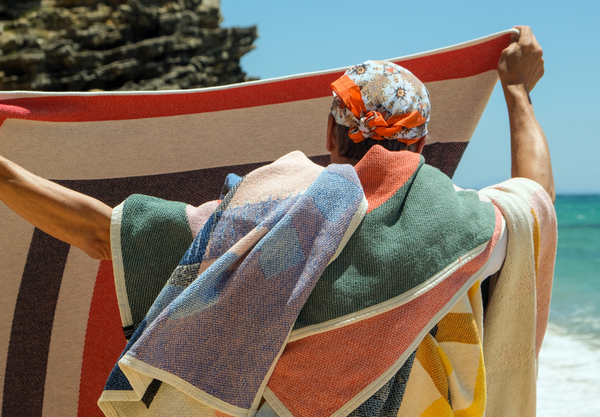


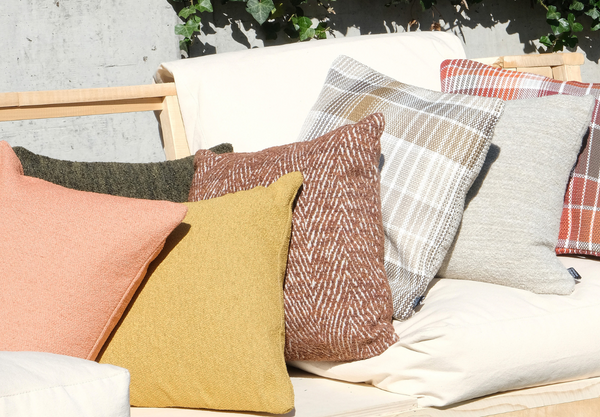


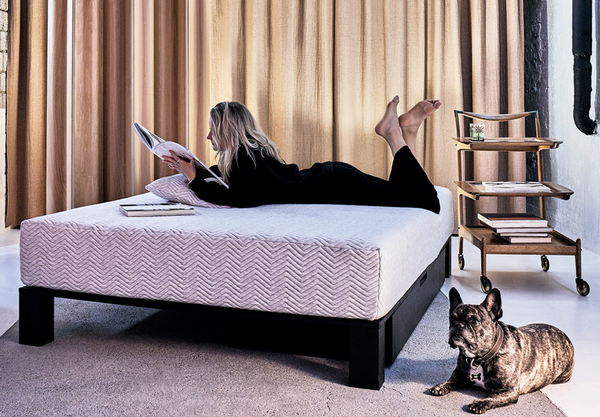


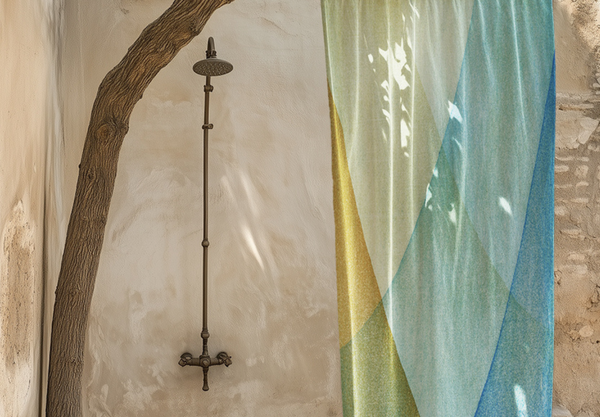







Egyptian cotton curtains bring the familiar comfort of cotton to a large architectural surface. Their effect, however, depends on more than the fibre name. Weave, density, colour, finish, lining and fullness all influence how a curtain falls, how much light it softens and how much privacy it provides.
This guide explains those choices in practical terms. It also looks closely at ZigZagZurich’s amber, eggshell and bronze Egyptian cotton curtains, using only the construction, finish and care information stated on their product pages.
“Egyptian cotton” identifies the cotton used, but it does not tell you everything about a finished curtain. Two cotton textiles can behave very differently when their yarn, weave, finish and weight are different. Thread count is another construction detail rather than a complete measure of light control or quality. For a useful comparison, read the full product specification and consider the panel as a finished textile.
The three ZigZagZurich curtains featured here are described as 100% Egyptian cotton with a 600-thread-count construction. The cotton is yarn-dyed, then woven and finished in Italy. After weaving, the fabric is washed in traditional Italian hot baths to create a soft, prewashed boutis finish with a matte, lived-in surface. Each panel is cut, sewn and finished in Italy and supplied with universal curtain tape. Custom dimensions are also available.
These details explain the character of the product more clearly than the fibre name alone: a soft hand, visible colour depth, a substantial fluid fall and a surface that feels relaxed rather than crisp or glossy.
Curtain light control is the result of a system. A denser weave generally covers a window more fully than an open weave, while a pale colour reflects more daylight into the room than a dark one. Fullness creates overlapping folds, which can make the treatment feel more enveloping, but additional fabric does not turn a decorative curtain into a tested blackout curtain.