
loading...

Free shipping for orders above $300.00

An Exploration of Pattern and Structure

The Power of Geometry in Textile Design

The Power of Geometry in Textile Design

Geometry brings clarity and rhythm into everyday spaces, shaping how we experience pattern, balance and visual harmony at home.

Geometric textiles that introduce structure, rhythm and visual balance into interiors

Products Used

Geometric textiles that introduce structure, rhythm and visual balance into interiors

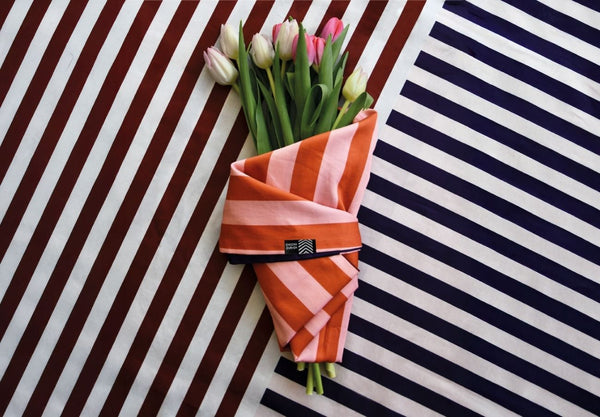
Geometric textile design is rooted in precision, repetition and thoughtful composition. Through the use of lines, shapes and symmetry, these patterns create a sense of structure that can anchor a space. Whether bold and graphic or soft and understated, geometric designs offer versatility across different interiors and styles.

Materials play an equally important role. Woven fabrics, textured surfaces and high quality fibres enhance the clarity of geometric forms while adding depth and tactility. The interaction between structure and material ensures that these textiles feel both visually engaging and comfortable in everyday use.

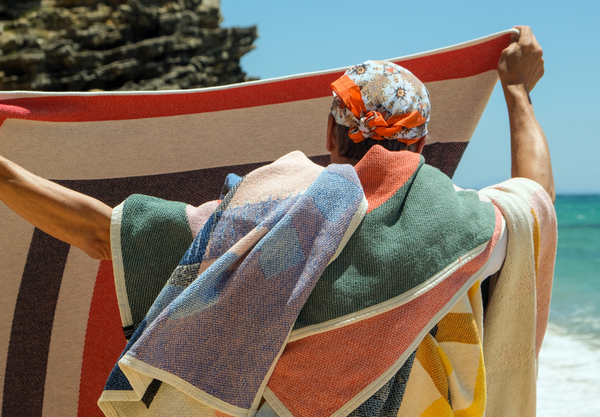
When applied across blankets, cushions or rugs, geometric patterns bring a sense of cohesion to a room. They can connect different elements within a space, creating a balanced composition that feels intentional without being rigid.

The Power of Geometry in Textile Design

Why Geometry Creates Balance and Visual Harmony in Interiors

Geometry introduces a natural sense of order that helps organise visual space. Repetition, symmetry and proportion guide the eye, creating a rhythm that feels both calming and engaging. In interiors, this can be especially powerful, as it allows different elements to coexist without feeling chaotic or disconnected.

Geometric textiles work as subtle frameworks within a room. A patterned blanket draped across a sofa or a rug with structured motifs can ground the surrounding furniture and decor. These patterns provide a visual anchor while still allowing other elements to stand out.

At the same time, geometry can be expressive. Variations in scale, colour and composition allow patterns to feel dynamic rather than predictable. This balance between structure and creativity is what makes geometric textiles timeless and adaptable across different styles.

Using Geometric Patterns to Shape Atmosphere and Flow

Geometric textiles can influence how a space is perceived and experienced. Larger patterns tend to create bold focal points, while smaller, more intricate designs introduce subtle texture and detail. By combining different scales, it is possible to build depth without overwhelming the overall atmosphere.

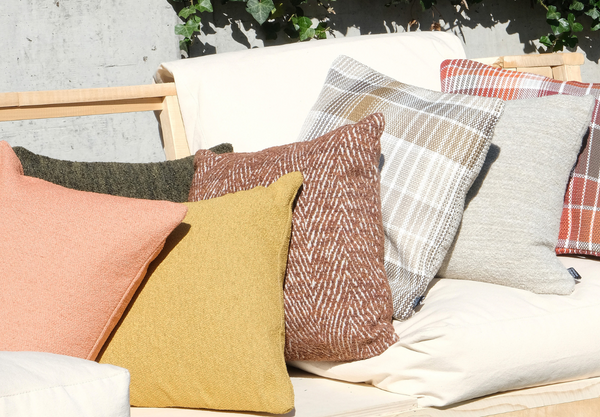
Placement also plays a key role. A geometric blanket can soften a structured interior, while patterned cushions can introduce contrast into a more minimal setting. Rugs with defined shapes can help organise open spaces, subtly guiding how different areas are used.

The versatility of geometry allows it to move seamlessly between different environments. Whether used in living spaces, bedrooms or transitional areas, these patterns create continuity while still allowing each space to retain its own character.

Using Geometric Patterns to Shape Atmosphere and Flow
ZigZagZurich

ZigZagZurich

Designing with Geometry for Everyday Living

Explore artist

FROM THIS ARTIST / ZZ RECOMMENDATIONS

The Power of Geometry in Textile Design The Power of Geometry in Textile Design

How Geometric Textiles Move Naturally Across Different Spaces

Geometric textiles have the ability to connect different areas of the home through a shared visual language. Their structured nature allows them to adapt easily, creating continuity while still responding to the specific needs of each space.

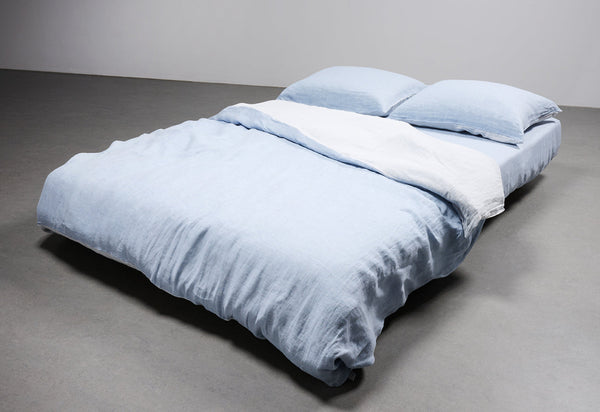
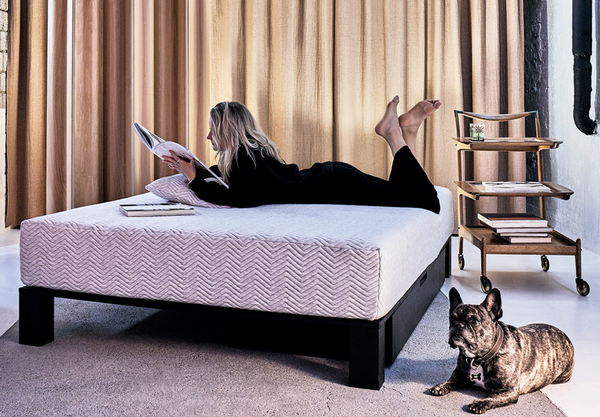
In living areas, geometric patterns can define seating zones and bring focus to central pieces of furniture. In bedrooms, they introduce calm through repetition and balance, helping to create an environment that feels both restful and considered.

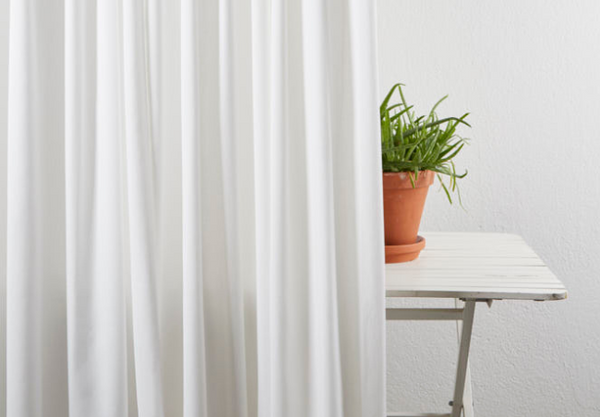
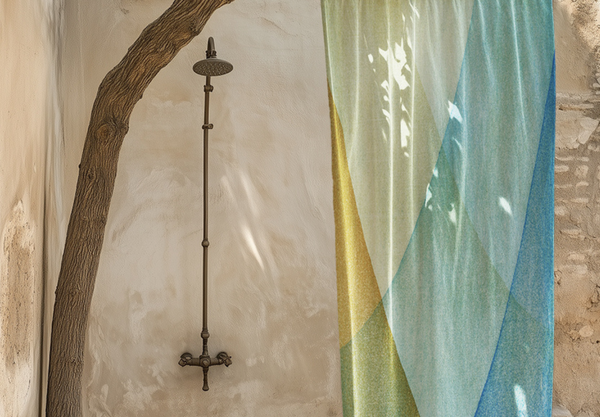
Kitchens and dining spaces benefit from the contrast between structured patterns and natural materials such as wood or stone. Here, textiles soften the overall atmosphere while maintaining a sense of order. In bathrooms, geometric elements can add subtle visual interest without overwhelming the space, contributing to a clean and cohesive look.

Even in outdoor settings, geometric textiles can extend the interior aesthetic beyond the home. Used on balconies, terraces or garden seating, they create a sense of continuity that connects indoor and outdoor living.

Through this adaptability, geometric textiles become more than decorative elements. They shape how spaces are experienced, offering a balance of structure and expression that feels both timeless and relevant.

YOUR CART IS EMPTY